


Well, it’s been a week.
July 16, the authority for Canada’s Industrial and Technological Benefits (ITB) Policy officially transferred from Innovation, Science and Economic Development (ISED) to the Defence Investment Agency.
No change of command parades here.
On paper it’s a bureaucratic reshuffle. (Ok, in reality too.)
But in practice, the people who decide how billions in defence contracts translate into Canadian jobs and investment have now moved inside the same building as the people negotiating those contracts.
Quick primer: the Industrial and Technological (ITB Policy) requires companies that win major defence contracts to invest in Canada - jobs, R&D, supply chain work - equal to the contract’s value.
The Defence Investment Agency (DIA), stood up last October, is Canada’s new one-stop-shop for defence procurement. Created to accelerate acquisitions and deliver better outcomes for the Canadian Armed Forces & Canadian Coast Guard.

The New Value Proposition
For years, ITB analysis (market research & industry consultation behind every Value Proposition (e.g. specific benefit package attached to a contract) sat inside ISED.
Separate from the teams actually negotiating procurements at DND and PSPC. The gap meant industrial policy input often arrived after a procurement’s shape was already locked in.
Folding that analytical capability into the DIA changes sequencing.
The agency explicitly calls for encouraging early decision-making to allow broader Canadian participation in international partnerships, and consider export potential from the outset.
With ITB analysts now inside the DIA, industrial benefit modelling can shape procurement strategy at the design stage, not bolted on at the compliance stage.
There’s a physical dimension too. ISED’s headquarters sits in the C.D. Howe Building at 235 Queen Street - a fixture of Ottawa’s Sparks Street bureaucracy since 1978.
The DIA, by contrast, was stood up as a Special Operating Agency inside Public Services and Procurement Canada, working alongside DND and the Canadian Armed Forces.
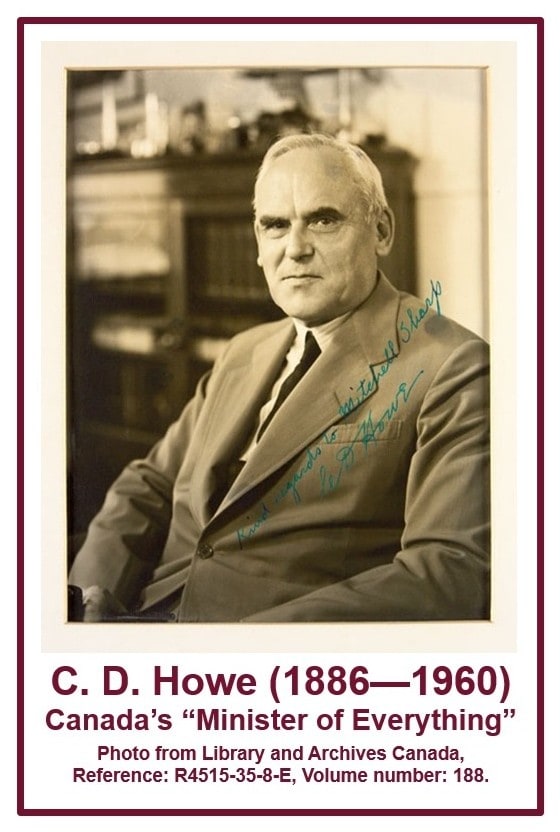
There’s a certain irony here. The building ITB is leaving is named for C.D. Howe - Canada’s wartime “minister of everything,” who ran munitions and supply production during WWII and later headed the Department of Defence Production. The man whose entire career was defence industrial mobilization has a building; the function itself just moved out of it.
Moving the ITB team out of ISED’s building and into that structure sends a message: industrial benefits analysis is no longer a standalone economic development function down the hall from unrelated federal programs…
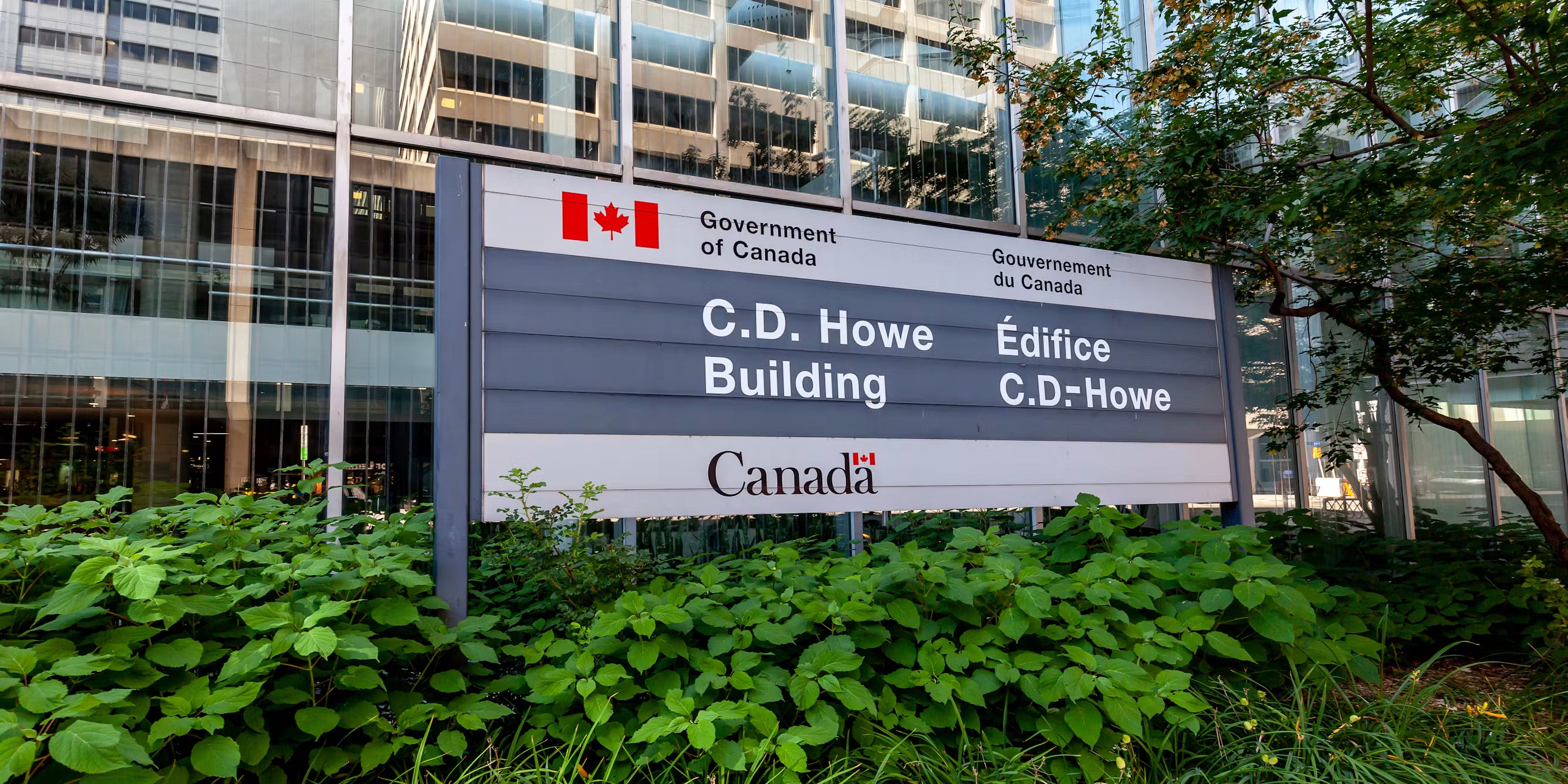
… it’s now embedded with the departments that actually buy defence equipment and engage the industrial base day-to-day.
The Industry Angle
For SMEs (86% of Canada’s defence industrial base) this beats the machinery-of-government story.
One agency now handles both contract negotiation and ITB credit strategy, instead of companies shuttling between departments.
The analytical tools ISED built now sit alongside the DIA’s live procurement pipeline: banking terms, causality guidelines, multiplier frameworks (see the ITB Toolkit). This gives suppliers a straight line on what capabilities the government is prioritizing.
ITB reforms could ease the Policy’s rules on causality and incrementality.
Housing that policy inside the agency running Canada’s Build-Partner-Buy framework (which prioritizes domestic and allied production over off-the-shelf buys) makes it easier to reward firms embedding themselves in European and allied supply chains, rather than just domestic output alone.
Centralizing ITB analytics inside the DIA bets that industrial policy works better built into procurement design than audited after the fact.
For SMEs positioning for the next wave of contracts, the question isn’t whether this matters — it’s how fast the DIA’s integrated teams start using that leverage.
What This Means for European Firms
For European primes & SMEs already navigating Canada’s ITB/Value Proposition requirements, this consolidation is worth watching closely.
A single agency now controls both the procurement process and the industrial benefit accounting attached to it. This means early engagement with the DIA (not just with DND or PSPC individually) will shape how contract-related investment commitments are structured and credited.
Firms building supply chain partnerships with Canadian SMEs, or exploring joint ventures ahead of a bid, may find the DIA’s centralized structure cuts through the friction of the old multi-department dance.
And it also means there’s now one gatekeeper instead of three, and as we saw with the recent LUV decision, getting in early matters more than ever.
P.S. 1,390 have joined canadaxeurope.com on LinkedIn & Substack - centralized readership, no reorg required.
An excellent article. Thank you for giving me the ability to further understand the ITB - DIA link.
“Gobbles up”?