


And it was set for a record-breaking edition. At 700+ exhibitors, Euronaval is the largest naval defence show this year.
Live and back from a much cooler Paris than Eurosatory.
The Naval sector is the largest portion of Canada’s major defence project spend.
Ignore it at your peril.
Let’s get started.
In this edition:
Euronaval: the record edition
Canada’s delegation: also a record - but a low-bar
Canada - Europe: from associate member, to associate submarine producer
For Canadian firms, Euronaval isn’t a submarine show anymore
Euronaval: the record edition
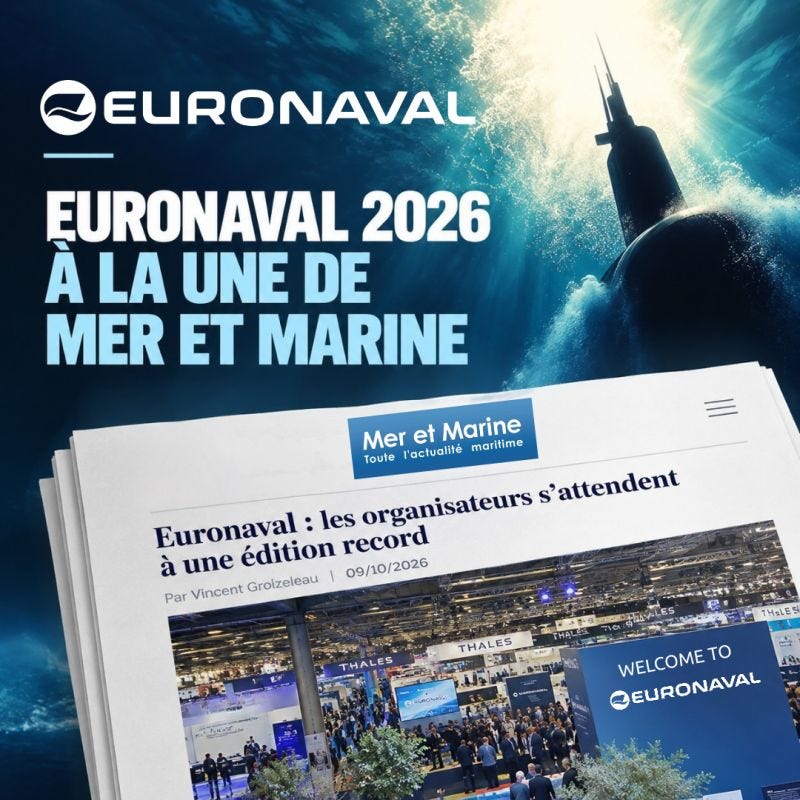
From 3 to 6 Nov, the global defence and maritime security ecosystem gathered at Paris Nord Villepinte for the 30th edition of Euronaval.
Euronaval covers the entire naval value chain: platforms, weapon systems, drones and autonomous systems, propulsion and energy, AI, cyber, sensors, shipbuilding technology, MRO, training and services.
The real draw? The navies, procurement officials and prime contractors who decide what gets bought and who supplies it.
Why now? Rearmament, rising tensions at sea and the race to field new technology are pushing navies everywhere to move faster.
Canadian companies and research hubs excel in autonomous systems and AI, which are exactly the capabilities European navies want - Euronaval is where they go looking.
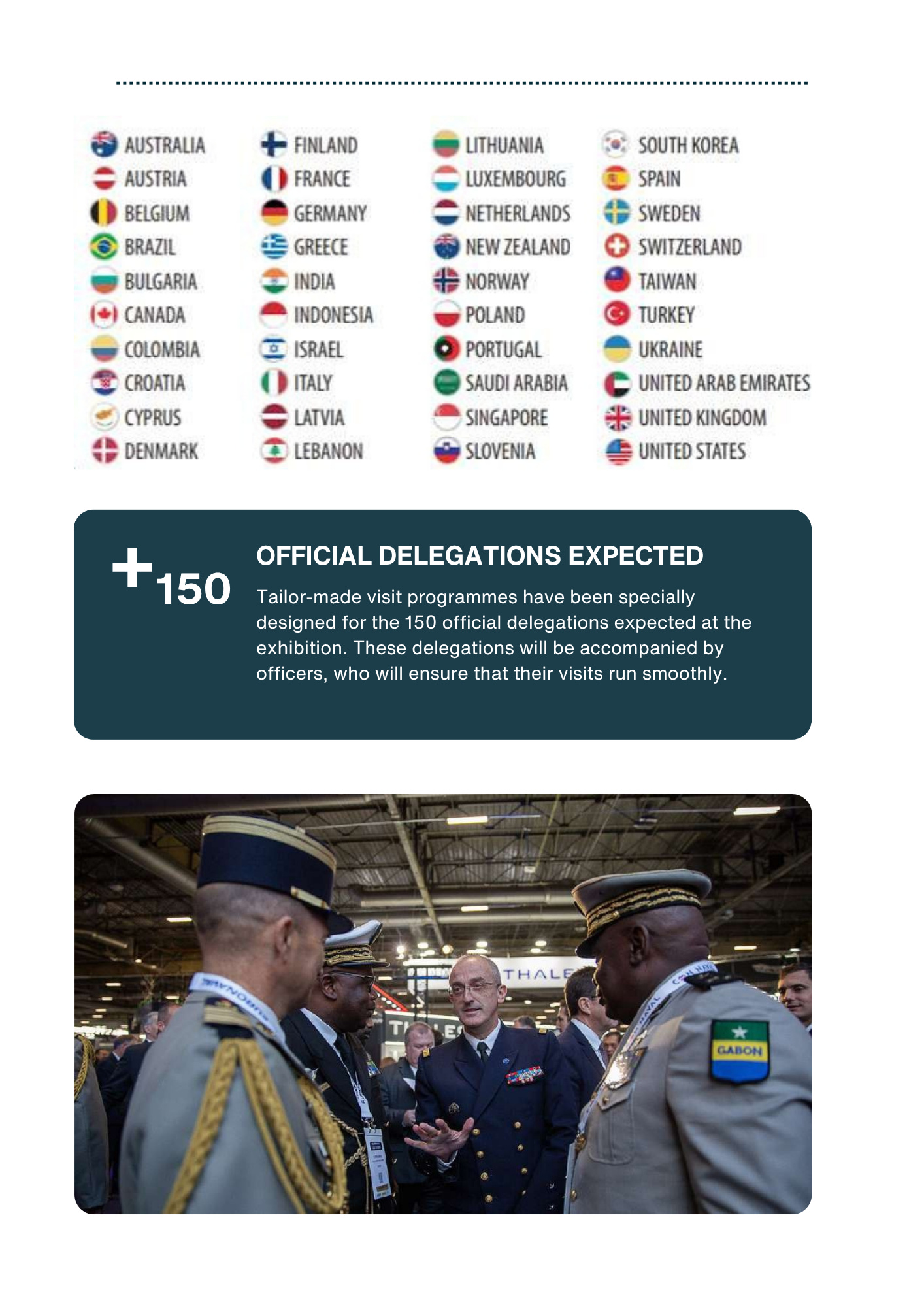
The show wrapped with exhibitors from 41 countries. Not quite DALO level growth. But at 204 official delegations from 71 countries, this record breaking event proves it is the naval defence place to be.
And the host’s national champion, Naval Group, came off a split 12 months: shut out in the North Atlantic, but welcomed in the Nordics and Baltics, and delivering in Greece.
Canada @ Euronaval: a record delegation - but a low-bar
What Canadians at Euronaval are actually doing. Sorel-Tracy put together a CanExport funded delegation, pitching metallurgy, machining and port infrastructure with Finkl Steel (Les Forges de Sorel). They and several other firms finished the trip at TKMS headquarters in Germany.
There were also few announceables: French firm RTsys Group sold several SEMA training targets to two Canadian defence agencies: Defence Research and Development Canada (DRDC) and the Naval Engineering Test Establishment (NETE).
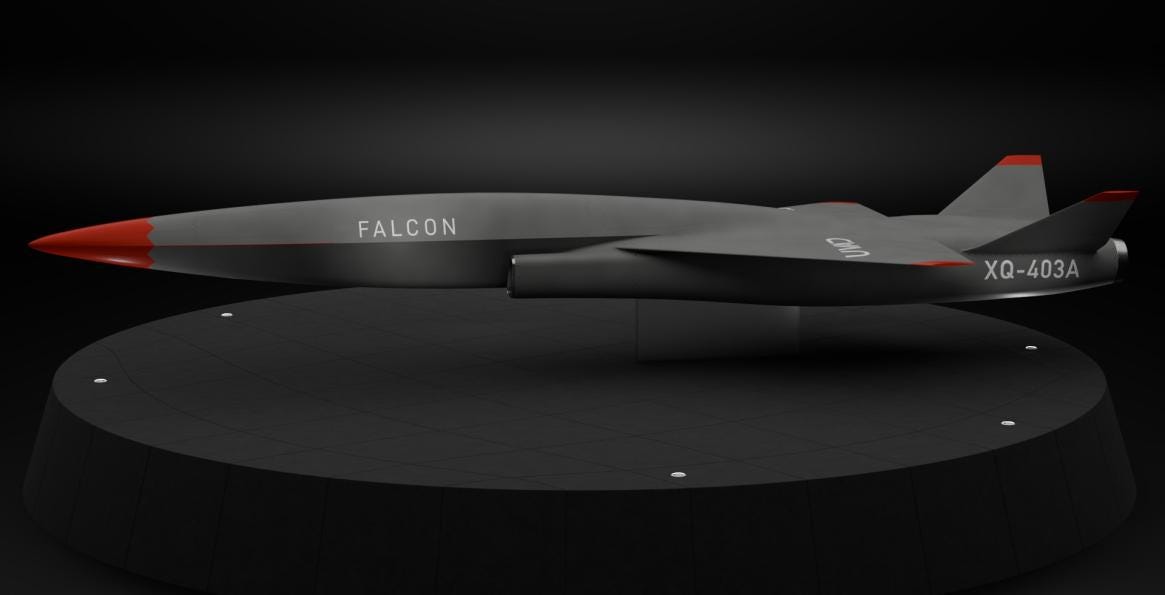
French engines giant Saffran also announced it was joining forces with UVAD Technologies to power the Falcon, a new-generation supersonic UAV. The reusable supersonic aerial target is designed to support missile defence training required by the armed forces.
WestCoast GECCO was among the many others promoting their presence.
And with 30+ organizations in attendance, there was a modest cross-section of Canada’s naval sector. Newcomers like 49North made their debut, while regulars and legends like Nautel, Thordon and Current exhibited. Gastops, Image 4D and Corsphere co-exhibited a joint simulation & sustainment solution. Virtual Marine partnered with NRC.
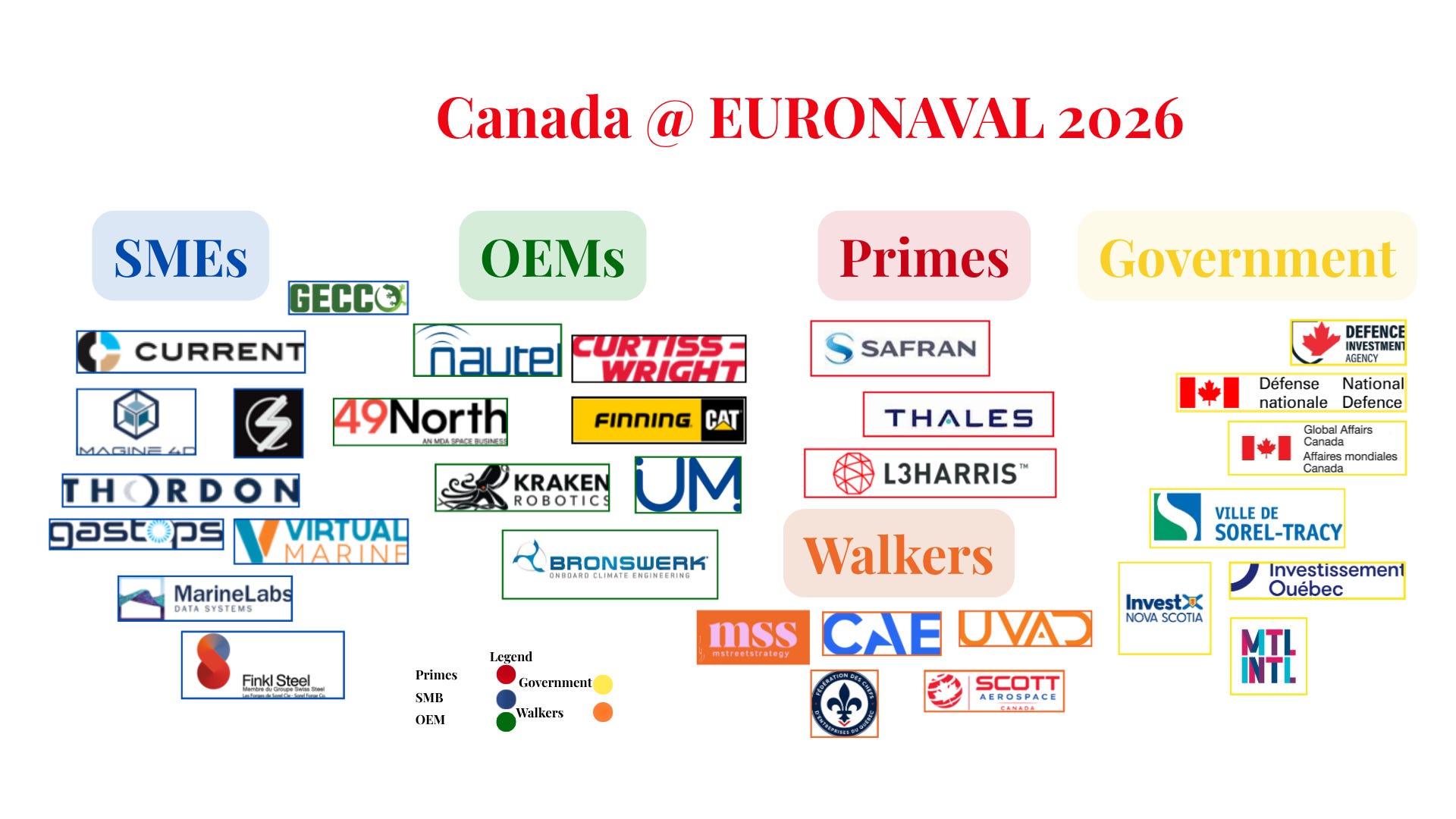
But for a hefty bunch of the group, Paris was a stopover to submarine work in Germany. And it was a far smaller group than that which attended SMM Hamburg.
Canada - Europe: from associate member, to associate submarine producer
The Canada–Europe naval relationship in the past 12 months:
In February 2026, PM Carney unveiled Canada’s Defence Industrial Strategy, which aims to grow defence exports by 50%. Europe is the obvious market.
In July, Ottawa selected Germany’s ThyssenKrupp Marine Systems (TKMS) and its Type 212CD as the preferred supplier for up to 12 submarines. TKMS built its bid on a Canada-Germany-Norway framework and promised a sovereign Canadian sustainment enterprise. Canada aims to sign a contract in 2027, so TKMS and its partners are lining up their supply chain.
On 15 June, Canada became the first non-European country in the EU’s €150B SAFE defence instrument. Canadian firms can now bid on common procurements, but only alongside European partners.
These developments point to a growing trend: Canada and Europe are integrating their naval and maritime industries on both sides of the Atlantic. More opportunities are likely ahead.
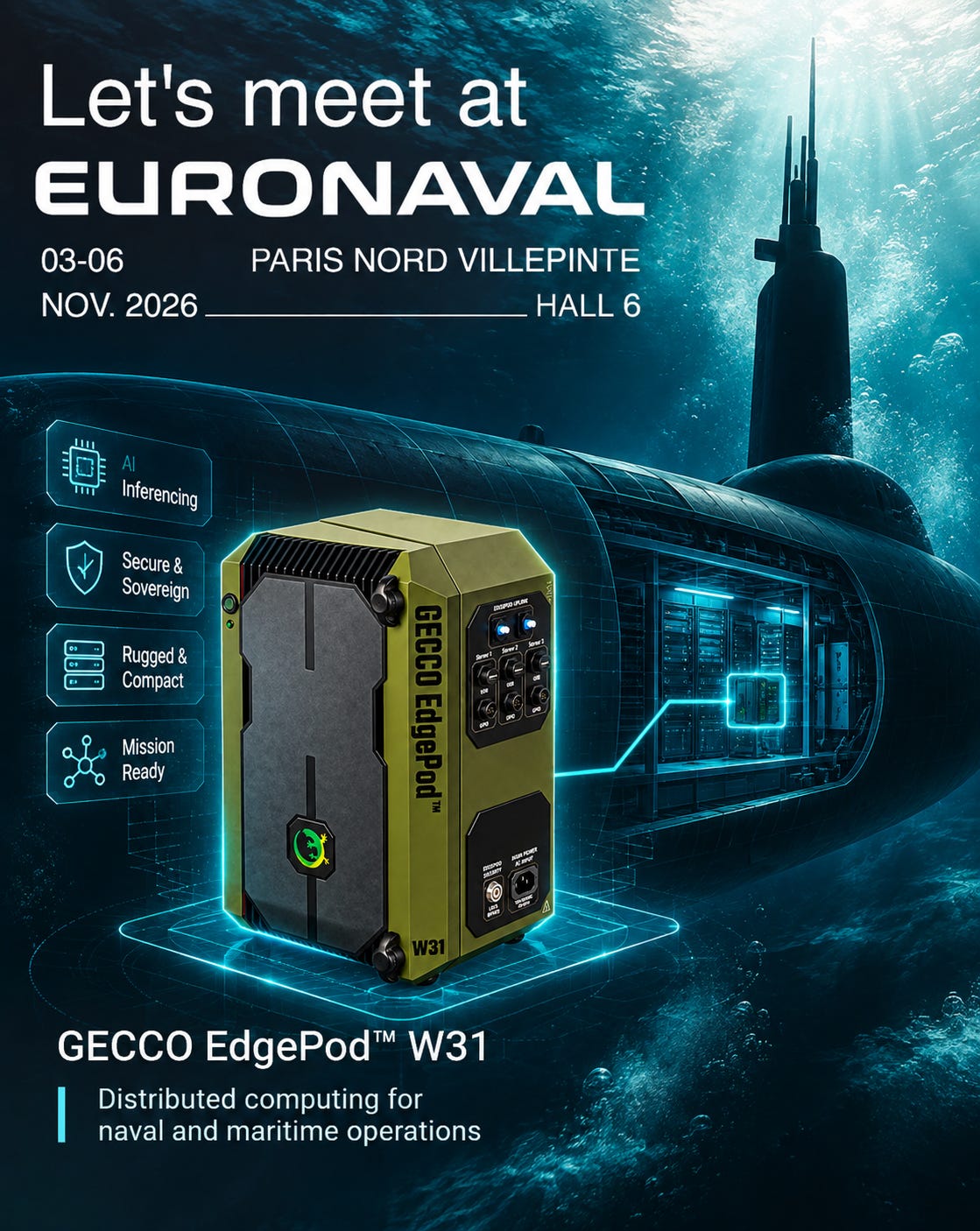
For Canadian firms, Euronaval isn’t a submarine show anymore
The French primes worth working with are already inside Canadian hulls. But the contrast in Hall 6 was poetic. Last week’s Canada-France business came down to France selling Canada fake submarines (targets), and a Canadian firm building fake missiles on French engines.
Sustainment is the next bound.
P.S. France lost the submarine but kept the sonar. In naval terms, France is still listening.
P.P.S. more than 1725 are listening-in on Canada-Europe relations on canadaxeurope.com on LinkedIn and Substack.